
CARITAS PROJECTS

These are the current projects undertaken by Caritas Meru

OBOS PROJECT 2012-2020

Introduction

The One Body One Spirit Movement (OBOS) is a Catholic faith-based organization in Seoul, South Korea, affiliated with the Seoul Archdiocese and Caritas. Rooted in the values of compassion and service implementing welfare programs, whose mission is to embody love and solidarity with the marginalized and vulnerable in society.OBOS partnered with Caritas Kenya and by extension Caritas Meru as the lead in implementing partner in a project dubbed “Institutionalization and Expansion of Economic Empowerment Programme”

Project Goals

  1. Institutionalizing and expanding Economic Empowerment Programs.
  2. Providing access to safe drinking water.
  3. Promoting improved sanitation and hygiene practices.
  4. Enhancing nutrition levels among vulnerable populations.

Project Objectives

  1. Improve access to safe drinking water and sanitation facilities in schools.
  2. Increase school enrolment and retention of the boy child.
  3. Strengthen household food security, dietary diversity, and nutrition.
  4. Contribute to poverty reduction through community-managed Savings and Internal Lending Communities (SILC).
  5. Promote improved sanitation through community participation in WASH/CLTS projects.

Main Activities of the project

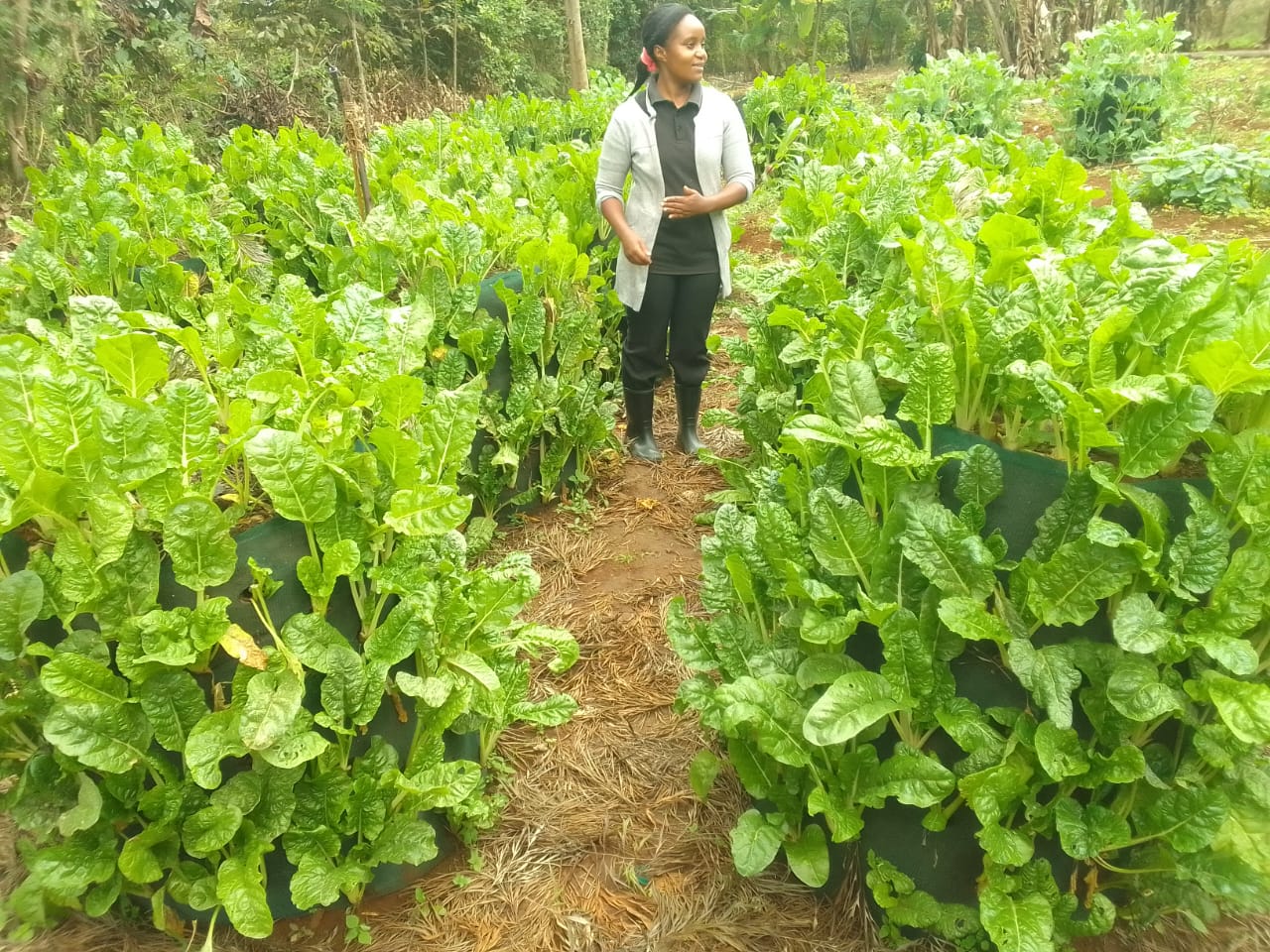
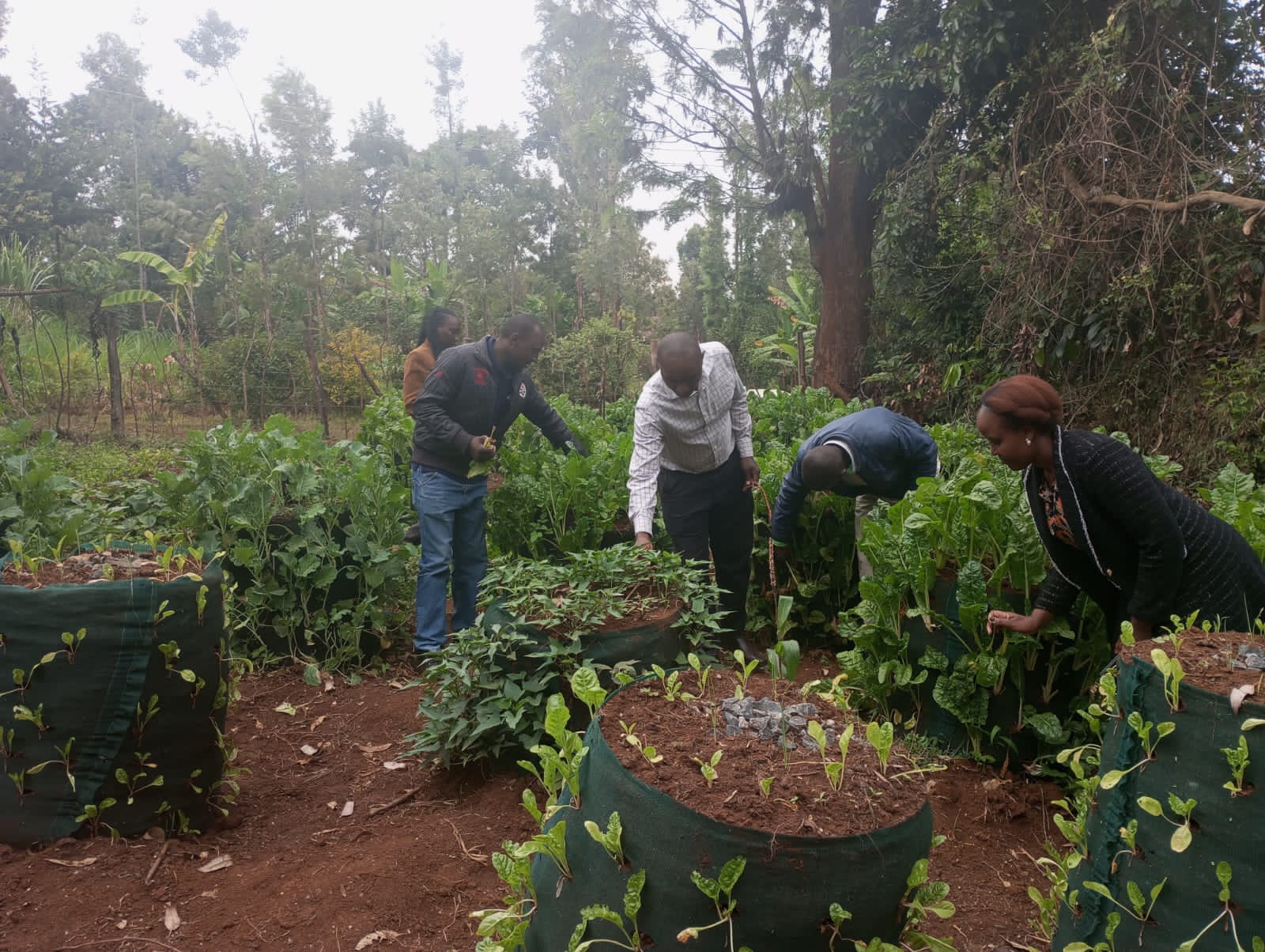
  1. Provision of safe drinking water, construction of VIP latrines, and establishment of nutritional gardens in schools.
  2. Awareness creation and interventions addressing the rising rate of boy child school dropouts.
  3. Support for household-level food security initiatives.
  4. Strengthening economic empowerment programs through Village Savings and Loan Associations (VSLA) using SILC methodologies.
  5. Promoting hygiene and sanitation awareness in schools and communities.
PICS BAGS PROJECT-Strengthening Food Security through Innovative Partnerships 2013 – 2014

Introduction

To enhance food security for smallholder farmers, Caritas Meru partnered with Purdue University to introduce the Purdue Improved Crop Storage (PICS) bags. These cost- effective, triple-layer hermetic storage bags provide a safe and sustainable solution for storing harvested grains, peanuts, and other crops. Unlike conventional methods, PICS bags protect produce from pests and mould without the need for insecticides, making them both environmentally friendly and affordable. By reducing post-harvest losses, this technology empowers farmers to preserve the quality of their harvests, improve household food security, and increase income by selling their produce when market prices are most favorable.

Project Goals

Increase the use of hermetic storage technologies by 20 percent of grain stored on-farm Specific objectives:

  1. Build awareness by training farmers and other stakeholders in villages/farmer groups while linking them to PICS bag vendors
  2. Develop a sustainable supply chain by identifying manufacturers and established distribution networks of vendors.
  3. Build the capacity of the private sector, local scientists, and extension agents to sustain post-harvest loss (PHL) reduction.

EUCORD European Coordination for Rural Development 2013 - 2015

Introduction

Caritas Meru partnered with a non-profit organization - EUCORD aiming to improve the livelihoods of farmers and to favour local consumers by developing an efficient and competitive agri-sector that stimulates the rural economy – through Gadam Sorghum aggregation and delivery to EAML through end-to-end value chain development services, including: access to finance, capacity building, value chain development, market assessment and nutrition.

IFPRI-International Food Policy Research Institution 2013 - 2016

Introduction

Caritas Meru worked closely with IFPRI to undertake research on Afflatoxin – testing and swapping project in selected sub counties of Meru County. IFPRI is a Research Center of CGIAR,  the world’s largest global agricultural innovation network. Their researchers collaborate closely with researchers from other CGIAR Centers, and our work contributes to the CGIAR mission of delivering science and innovation that advance the transformation of food, land, and water systems in a climate crisis.

KSALES PROJECT 2016-2018

Introduction

Caritas Meru partnered with the Kenya Semi-Arid Livestock Enhancement Support (K-SALES) project, a United States Department of Agriculture (USDA) funded initiative, to strengthen the beef cattle, sheep, and goats (shoats) value chains. The project focused on improving livestock productivity, expanding trade in live animals and meat, and enhancing the value of hides, skins, and other livestock products.Through targeted interventions, K-SALES increased access to quality inputs, technologies,and services, leading to the adoption of better livestock practices and farm management techniques. The project also invested in improving water access, building the capacity of service providers, and promoting safe and hygienic meat production.To deliver these outcomes, K-SALES introduced a modular-based Farmer Field School(FFS) model guided by a facilitator’s manual. These FFSs served as focal training points,strengthening linkages between farmers, Business Service Providers (BSPs), and other key actors across the beef cattle and shoats value chains.

Project Goals

  1. To increase the use of improved agricultural techniques and technologies of FFS participating farmers through training.
  2. To increase the adoption and application of improved farm management practices.
  3. Enhance the financial literacy levels for the farmers so that they benefit from financial services.
  4. To increase the farmer empowerment with respect to livestock production through cooperative development and business approach to increase income and enhance livelihoods.

SNV -Smart Water for Agriculture (SWA) 2016 - 2018

Introduction

Through collaboration and partnership, Caritas Meru and SNV implemented a Smart water for Agriculture program in Meru County by bringing stakeholders together in Irrigation Acceleration Platforms

Project objective

To contribute to increased water productivity in agriculture, and increased income and food security through the development of a dynamic and sustainable ‘Smart Water Solutions’ (SWS) sector in Kenya, that adequately meet the needs of small and medium-sized entrepreneurial (SME) farmers.

  1. Establish Irrigation Acceleration Platforms
  2. Improve the use of and access to smart water products and services,
  3. Support improved access to finance.
  4. Increase access to Smart Water Services knowledge and build demand.
  5. Create business linkages and support companies (Dutch/Kenyan) to invest

AHADI Agile and Harmonized Assistance to Devolved Institutions 2019-2020

Introduction

Caritas Meru partnered with USAID through the Agile and Harmonized Assistance to Devolved Institutions (AHADI) Project which was an integrated governance programme that contributed towards the implementation of Kenya’s devolution reforms between 2014 -2020. The project supported building transparent, accountable devolved governance systems that are participatory and responsive to empowered citizens and effective in delivery of devolved functions and services. AHADI partnered with civil society organizations (CSOs, specifically Caritas Meru, to employ a demand-driven approach to enhancing the capacity of all actors to implement and achieve the objective of devolution. The AHADI Project was funded by United States (USAID) and United Kingdom Government (UKAid) and implemented by the Center for International Development of the State University of New York (SUNY), Local Development International (LDI) and the Urban Institute (UI)

objective

  1. To provide higher quality services through improved governance.
  2. Ensure functionality and effectiveness of the devolved system increased through improved intra-government engagement and cooperation.
  3. Improved representation of citizen interests and oversight of targeted county government performance

AMREF Financial Inclusion Improves Sanitation and Health Mudial in Kenya (FMK) 2019-2021

Introduction

Caritas Meru, in partnership with Amref Health Africa, implemented a transformativeSanitation Marketing Project under the FINISH Mondial Program in Meru and Tharaka Nithi Counties. The initiative sought to address persistent sanitation challenges by combining both demand creation and supply-side engagement, ensuring that communities not only understood the value of improved sanitation but also had access to affordable, high-quality solutions. With technical and financial support from Amref Health Africa, the project created a vibrant sanitation ecosystem where communities, service providers, financial institutions, and local government actors worked together to achieve sustainable outcomes.

Key result areas

  1. Market activation.
  2. Engaging micro influencers to create demand for improved sanitation and hygiene.
  3. Assist to conduct quarterly review meetings with WASH stakeholders to review/monitor progress.
  4. Conduct training on sanitation marketing and community engagements for CHV’s/CHEW’s and community-based Sanitation promoters.
  5. Direct Sanitation marketing in the focus area.
  6. Engage stakeholders of sanitation to customize designs and approach
  7. Training of artisans and BSPs.
  8. Financial linkage with banks and micro finance institutions.

Biovision Foundation for Ecological Development 2019-2025

Introduction

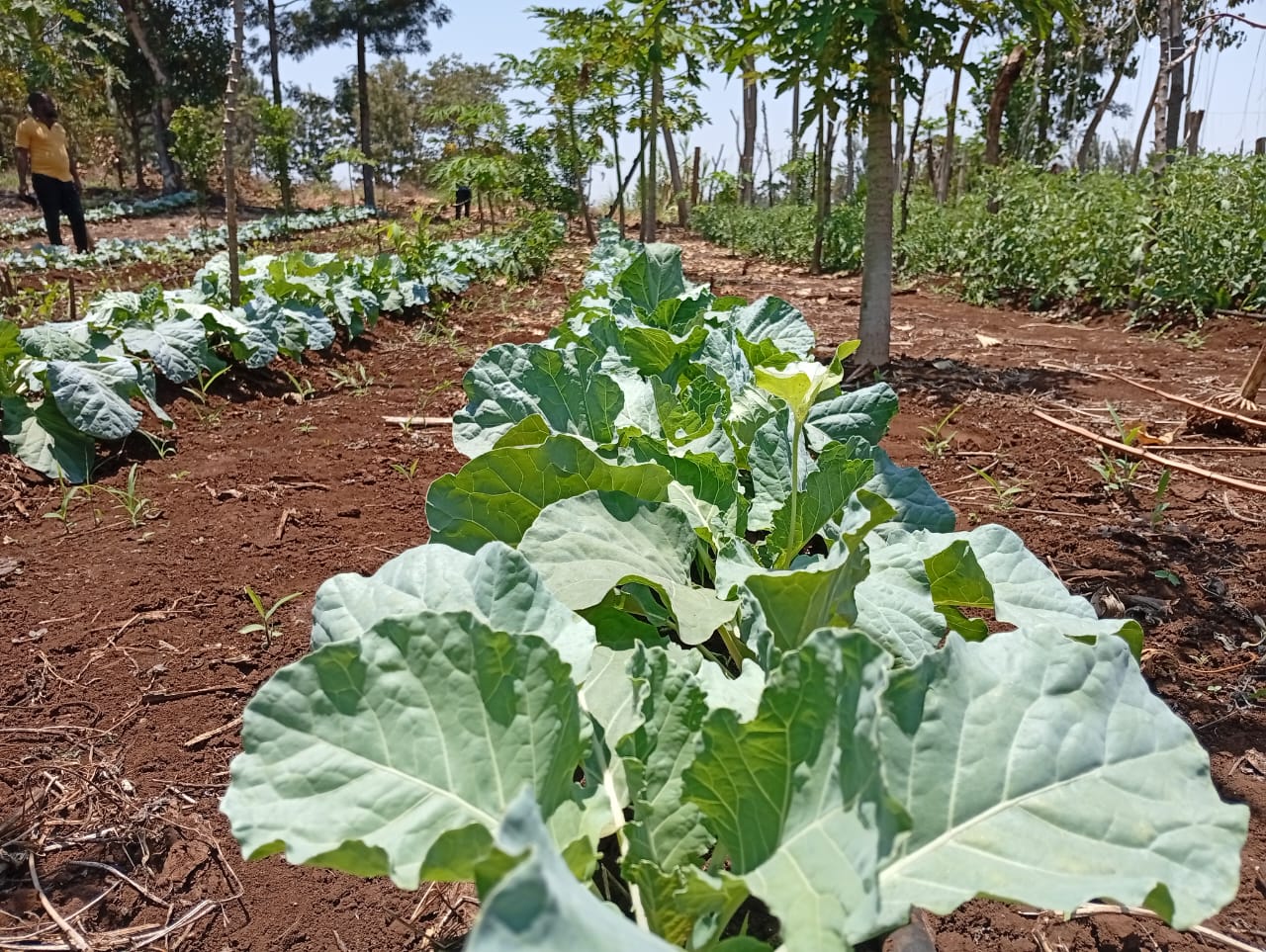
Caritas Meru partnered with the Biovision Foundation for Ecological Development, an international organization that advocates for a healthy planet, sustainable food systems, and ecological development. Together, the partnership focused on supporting the development of the Agroecology Policy and Bill for Meru and Tharaka Nithi Counties. The project emphasized inclusivity by ensuring that women, youth, children, and persons with disabilities (PWDs) actively participated in Agroecology Multi-Stakeholder Platforms (MSPs). This participatory approach enriched the policy-making process by bringing diverse perspectives to the table while fostering equity in ecological governance. To strengthen the policy framework, the initiative promoted intersectoral collaboration, aligning local agroecology discourse with broader national dialogues. Specifically, it ensured linkages to the National Inter-Sectoral Forum on Agro-Biodiversity and Agroecology (ISFAA), thereby creating a strong bridge between county and national policy processes.

Project Goals

The project aimed to strengthen synergies, enhance information flow, and foster collaboration between Meru and Tharaka Nithi Counties, as well as between county-level and national stakeholders, in agroecology-related policy development. This was achieved through active exchanges, joint learning, and dialogue facilitated by multi-stakeholder platforms such as ISFAA.

  1. Supported the drafting and advancement of county-level agroecology policies and bills.
  2. Ensured that vulnerable and marginalized groups had a voice in shaping policies that affect their livelihoods.
  3. Built stronger collaboration between county and national actors on agroecology and agro-biodiversity issues.
  4. Contributed to sustainable food systems and ecological resilience in Meru and Tharaka Nithi Counties.
  5. Through this partnership, Caritas Meru and Biovision Foundation demonstrated the power of inclusive, participatory policy-making in promoting sustainable agriculture, environmental stewardship, and community resilience.

SETA Sustainable Energy Technical Assistance 2021 -2023

Introduction

Caritas Meru partnered with the European Union (EU) under the SETA Project to spearhead the development of county energy plans for Meru and Laikipia Counties. The SETA Project was an EU-funded initiative implemented by the Ministry of Energy, designed to provide technical support, policy guidance, and capacity building for Kenya’s energy sector.

Project Goals

Improve the planning and implementation of renewable energy, energy access, and energy efficiency projects at national and county levels, helping Kenya transition to a green and resilient energy system.

Project objective

To assist the national energy institutions and the county governments through a comprehensive capacity development programme in developing resilient and implementable sustainable energy plans.

Act! Act Change Transform 2023 - 2024

Introduction

Caritas Meru partnered with Act! and GCER to implement Meru Inclusive Accelerated Response Initiative Against Violent Extremism (MIARIVE). This programme aimed at enhancing the implementation of the National Strategy to Counter Violent Extremism (NSCVE), focusing on local level and sustainable structures through supporting CEFs to implement the CAPs, lobbying for mainstreaming P/CVE through the CAPs to the County Integrated Development Plans (CIDPs), Annual Development Plans (ADPs) and other sectoral development plans.

RELIEF AND RECOVERY OPERATIONS

Introduction

Caritas Meru has a long-standing track record in relief and recovery operations, responding swiftly to emergencies while also supporting long-term resilience-building for vulnerable communities. Over the years, the organization has partnered with reputable international agencies to cushion households from the effects of recurrent droughts, food insecurity, and livelihood shocks. Key interventions include:

Project Goals

  1. World Food Programme (WFP), 2011–2012: Implemented large-scale food distribution during the acute drought, providing maize, beans, and cooking oil rations to thousands of affected households, ensuring immediate relief from hunger and malnutrition.
  2. Arid and Marginal Land Recovery Consortium (ARC), 2009–2010: Rolled out a livelihood recovery project that provided critical household assets and income- generating resources to enable communities to rebuild livelihoods and restore self-reliance after prolonged periods of hardship.
  3. United Nations Office for the Coordination of Humanitarian Affairs (UNOCHA), 2014:Supported communities through a Food for Assets (FFA) resilience project, where vulnerable families received food aid in exchange for contributing to community resilience initiatives such as soil conservation, water harvesting, and rehabilitation of degraded lands.
  4. Protracted Relief and Recovery Operations (PRRO), 2012: Introduced an innovative cash transfer system to give direct financial reprieve to drought-stricken families,enabling them to meet urgent household needs while maintaining dignity and flexibility in resource use.

Through these initiatives, Caritas Meru has not only provided emergency relief but also strategically contributed to long-term recovery and resilience, helping communities withstand climate shocks, reduce dependence on aid, and gradually achieve sustainable food and livelihood security.